



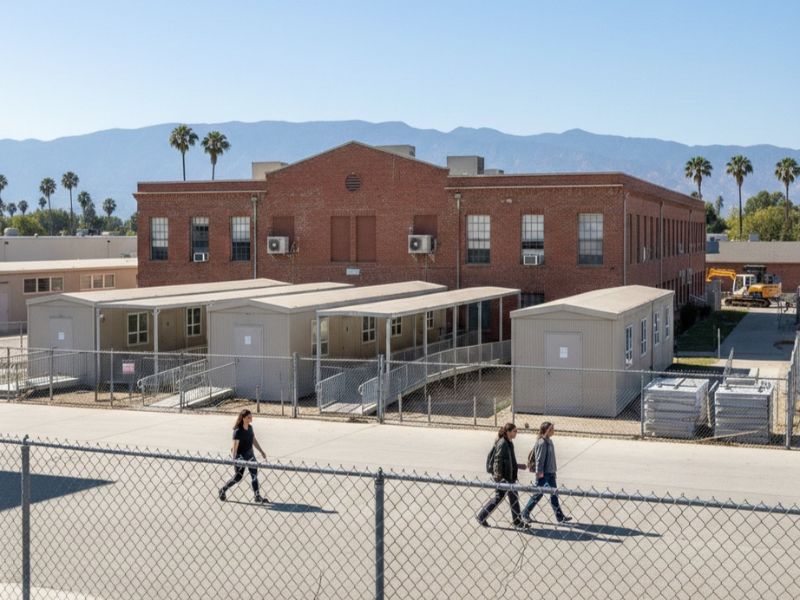
Survey shows voters back classroom upgrades when costs are clearly explained
Murrieta, California, 13 February 2026 — A new voter study suggests a school bond measure in Murrieta could pass if it appears on the November ballot, offering a possible path to upgrade aging classrooms and prepare for future growth across local schools.
The findings were shared with the board of the Murrieta Valley Unified School District following a presentation by True North Research, a San Diego-based firm that surveyed residents about their views on a potential bond later this year.
What the study found
In simple terms, most voters said they support investing in school facilities. Depending on how the bond proposal was described, between 60 percent and 73 percent of respondents said they would vote in favor, while about one-quarter said they would oppose it. The measure would need at least 55 percent approval to pass.
The survey showed that funding schools matters deeply to residents. More than nine in ten respondents said supporting schools is very important, and about two-thirds said updating school infrastructure is also important. At the same time, many residents expressed concern about rising living costs and said they would prefer not to see higher property taxes.
How the bond could work
Survey participants were presented with a proposed $395 million bond that would cost about $60 per $100,000 of assessed property value. The funding would be used for repairing aging classrooms, improving heating, ventilation, and air conditioning systems, and supporting science labs and learning spaces.
Initial support for this version of the bond stood at 63 percent. Support increased when voters were told the bond would extend an existing bond rather than add a new tax. In that scenario, property tax rates would stay the same as older bonds are paid off and replaced. With that explanation, support rose to 73 percent.
Addressing cost concerns
The study also tested how concerns about inflation and affordability might affect voter opinion. Even when those issues were highlighted, a majority still supported the bond, suggesting many residents see school improvements as a long-term priority.
District leaders have said bond funding is essential because regular operating budgets do not cover major construction or renovation projects. Officials also note that population growth could increase pressure on existing schools, making future planning more urgent.
Background and next steps
In 2024, the school board decided not to place a bond on the ballot after failing to secure enough votes among trustees. Instead, school boundaries were adjusted to manage crowding at elementary and middle schools. District officials have since said those changes provided temporary relief but did not solve underlying facility needs.
The district currently has three active bonds approved in past years, each supporting construction, renovation, and school improvements. Any new bond would build on that history while focusing on today’s challenges.
As discussions continue, the study suggests that clear communication about costs, timing, and benefits will be key to shaping voter understanding ahead of November.